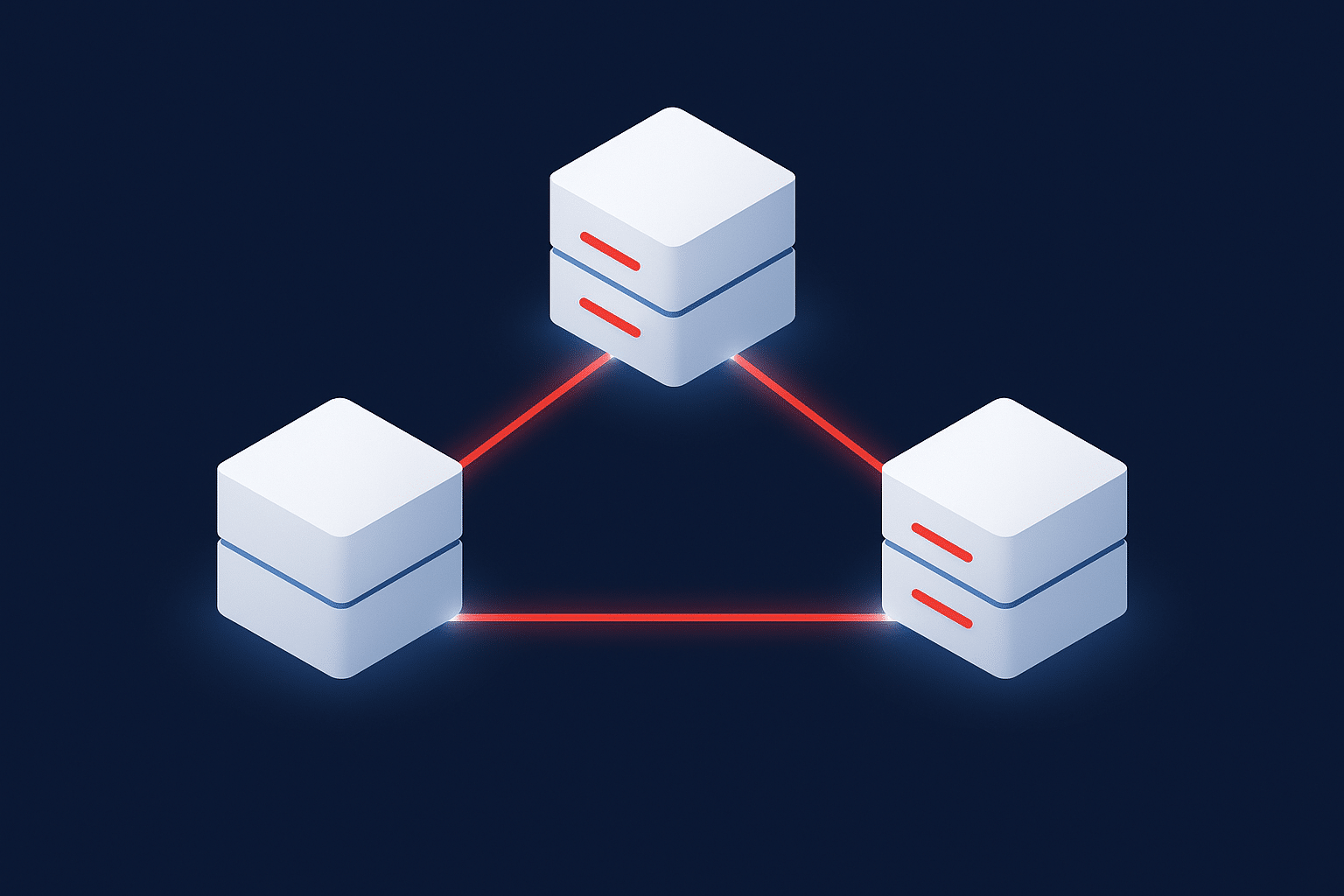
High Availability (HA) is a critical requirement for any enterprise application or database system, including SQL Server. HA refers to the ability of a system to maintain high levels of service availability, even in the face of various failures or disasters.
SQL Server offers several high availability solutions that can help ensure business continuity in the event of hardware or software failures, including:
- Always On Availability Groups: This is a feature introduced in SQL Server 2012, and it provides high availability and disaster recovery for databases. It allows you to create a group of databases, known as an Availability Group, and replicate those databases to multiple secondary replicas. These replicas can be configured for automatic or manual failover, providing continuous availability of the databases.
- Failover Cluster Instances: This feature has been around since earlier versions of SQL Server, and it provides high availability at the instance level. It involves setting up a cluster of multiple servers, and SQL Server is installed on all the nodes. The cluster appears as a single instance to the clients, and if one node fails, the other node(s) take over automatically.
- Database Mirroring: This feature provides high availability at the database level. It involves setting up a primary database and one or more secondary databases, which are kept in sync through log shipping. If the primary database fails, one of the secondary databases can take over automatically.
- Log Shipping: This feature involves copying the transaction log backups of a primary database to one or more secondary servers. The secondary servers then restore these backups and bring their copy of the database up to date. In the event of a failure of the primary server, the secondary server(s) can be brought online to take over.
- Replication: This feature allows you to distribute data from one database to one or more other databases. It can be used to provide high availability by replicating data to multiple servers. If one server fails, another server can be brought online to take over.
In addition to these features, SQL Server also offers several other technologies that can be used to enhance availability and performance, including backup and restore, log shipping, database snapshots, and more.
Need expert support for SQL Server?
Our senior database team supports SQL Server performance tuning, health checks, migrations, Remote DBA services and urgent operational issues.
When selecting a high availability solution for your SQL Server environment, it is important to consider factors such as cost, complexity, and reliability. It is also important to test your chosen solution thoroughly to ensure that it can meet your availability requirements and that it can recover from various types of failures or disasters.
Related Reading
SQL Server Consulting
Planning to Modernize Your SQL Server Environment?
Aryasoft supports SQL Server assessments, upgrades, migrations, consolidation, performance improvements and architecture planning with senior database expertise.