Difference Between Relational Database and NoSQL
Relational databases and NoSQL databases are two different approaches to storing and managing data.
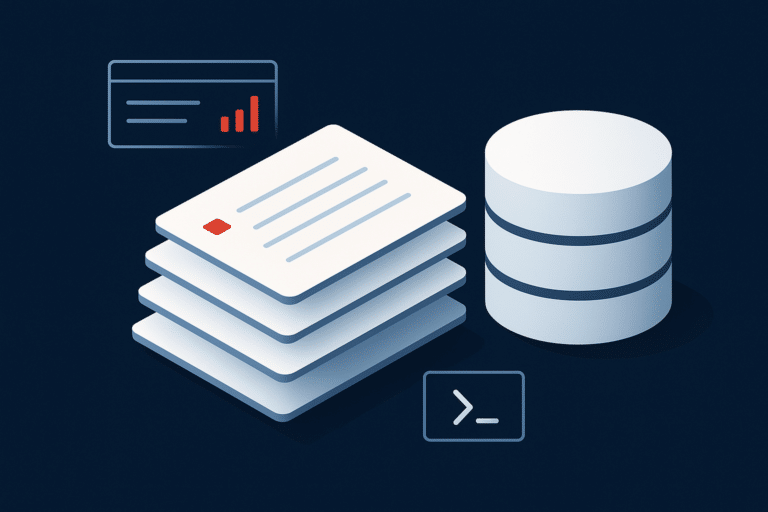
Relational databases are based on the relational model, which uses tables to store data and the relationships between them. This model has been around since the 1970s and has been the predominant way of storing data for many years. The tables are organized into rows and columns, with each row representing a single record and each column representing a specific piece of data. The relationships between tables are defined by primary and foreign keys.
One of the key advantages of relational databases is that they enforce a strict schema, or structure, for the data. This means that the data is organized in a consistent and predictable way, which can make it easier to manage and query. Relational databases also support transactions, which ensure that changes to the data are atomic and consistent. This means that if one part of a transaction fails, the entire transaction is rolled back and the data is returned to its previous state.
However, relational databases can have some limitations when it comes to handling certain types of data. For example, they may not be well-suited to handling unstructured or semi-structured data, which may not fit neatly into the table structure. Additionally, relational databases may not be as scalable as other approaches, particularly when it comes to handling large amounts of data.
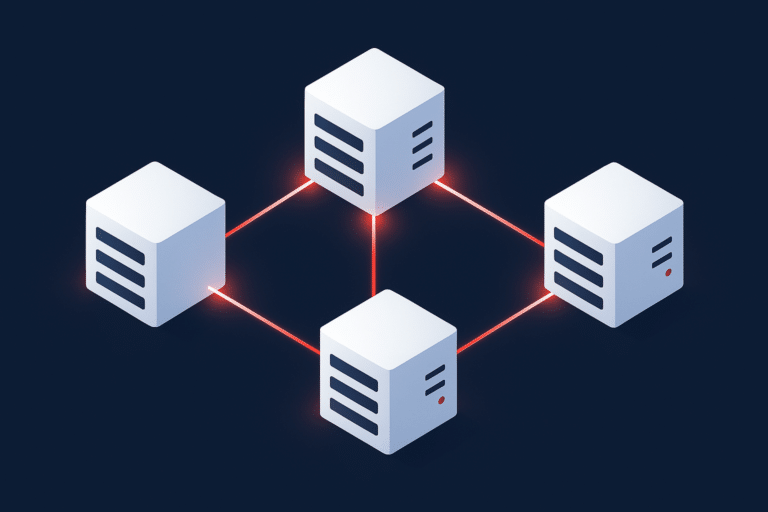
On the other hand, NoSQL is a non-relational approach that can handle unstructured, semi-structured, and structured data. NoSQL databases are often used for large-scale, distributed systems and can be more flexible and scalable than relational databases. NoSQL databases use different data models, such as key-value, document-oriented, or graph databases, and can store data in different ways depending on the specific needs of the application.
One of the key advantages of NoSQL databases is their flexibility. Because they don’t enforce a strict schema, they can handle data that doesn’t fit neatly into a relational structure. Additionally, NoSQL databases can be highly scalable and can handle large amounts of data across multiple nodes. This makes them well-suited to handling the large amounts of data that are generated by modern applications.
Need expert support for SQL Server?
Our senior database team supports SQL Server performance tuning, health checks, migrations, Remote DBA services and urgent operational issues.
However, NoSQL databases can also have some drawbacks. Because they don’t enforce a strict schema, it can be more difficult to manage and query the data. Additionally, transactions may not be as robust as they are in relational databases, which can lead to issues with consistency.
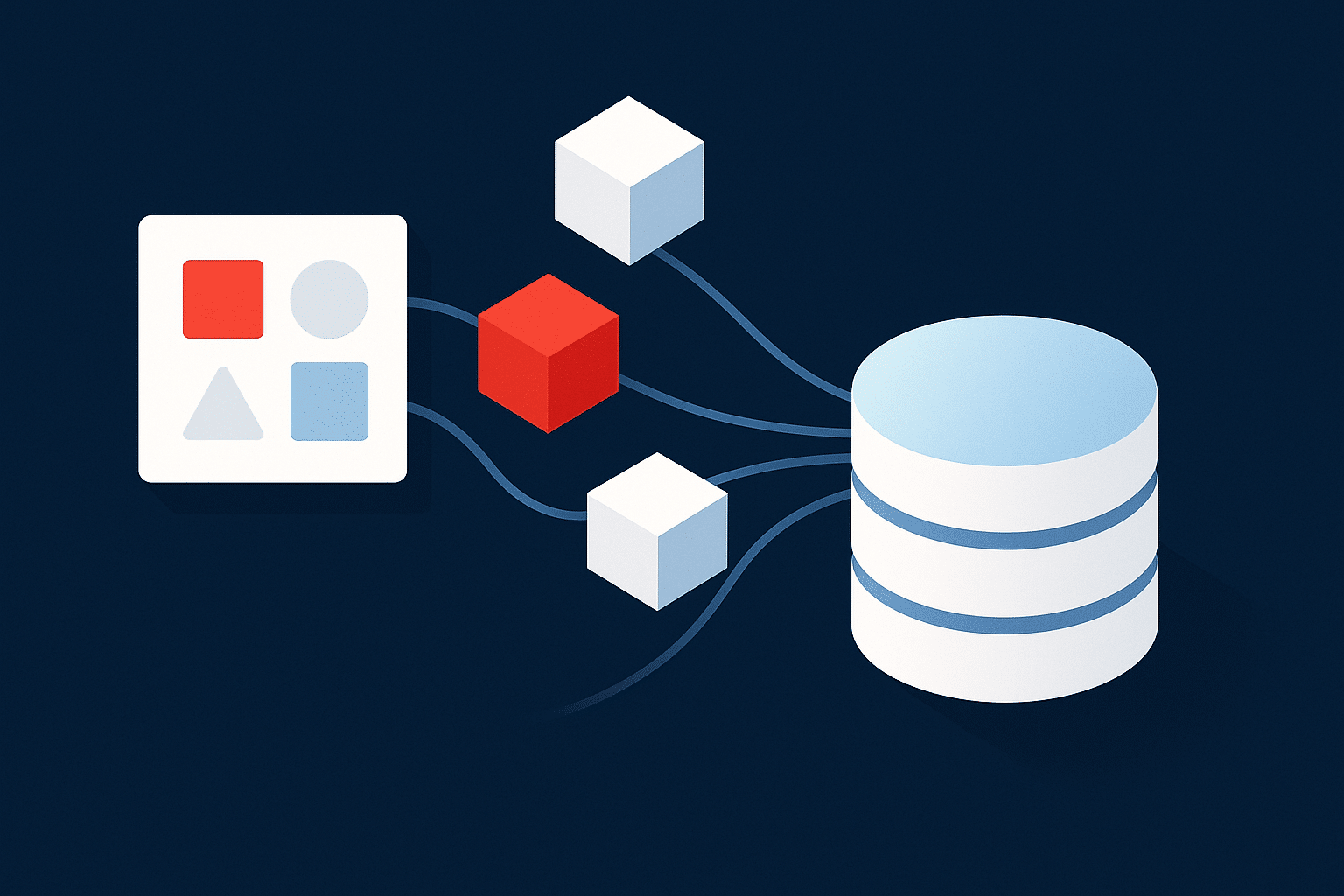
While relational databases and NoSQL databases have different approaches to managing data, they are not necessarily mutually exclusive. Many applications use a combination of both types of databases to take advantage of the strengths of each. For example, a relational database may be used for structured data that requires strict consistency, while a NoSQL database may be used for unstructured data that requires more flexibility and scalability. This approach is sometimes referred to as a polyglot persistence strategy.
In conclusion, relational databases and NoSQL databases are two different approaches to managing data that each have its own strengths and weaknesses. The choice of which type of database to use will depend on the specific needs of the application and the data being managed. Understanding the strengths and weaknesses of each approach can help developers make informed decisions about how to store and manage their data.
Related Reading
SQL Server Consulting
Planning to Modernize Your SQL Server Environment?
Aryasoft supports SQL Server assessments, upgrades, migrations, consolidation, performance improvements and architecture planning with senior database expertise.